Upcoming talks and workshops:
23 January, 4-6 pm CST: Writespace Panel: Creatives on Creativity, with author Karleen Koen (moderator), Dr. Tony Medina (Creative Writing, Howard University), Kay Sarver (visual artist, blogger, co-owner of Houston’s Archway Gallery), Adam Castañeda (dancer and choreographer, Pilot Dance Project), and author Karen Celestan.
9 February, “Navigating the Antebellum South in Silent Film,” Washburn University.
13, 20, and 27 February: Writing Local Workshop through Writespace: Have you ever wanted to write about the stories from your home town or another specific place you’ve been to or lived in? The history of that Art Deco building and the people who lived in it, or maybe how your city coped during World War I? Maybe you want to dig in to local history to add detail to a story you’ve already begun, or want to make sure your characters are using the right kinds of slang. In this workshop, we’ll investigate tools and techniques for writing about local history, whether from a non-fiction, fiction, or poetic point of view. You’ll learn how to use free online resources to find information from newspapers, census records, and other documents, as well as small museums, local historical societies, and other places. We’ll talk about creating characters that are in keeping with their localities, including how they speak, interact with others, and participate in local customs. This workshop is open to students from anywhere, writing about any place!
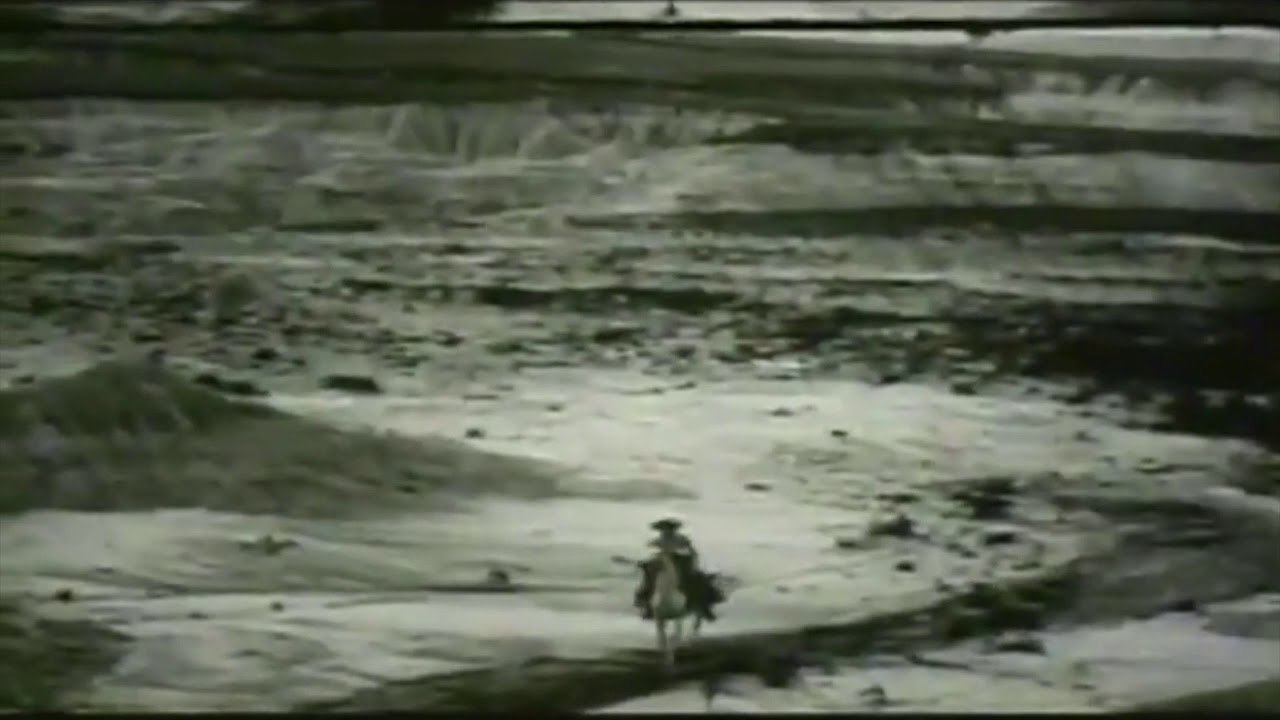
18-21 Feb, “Nostalgia and Cultural Memory in Music for The General (1927),” Historical Fiction Research Network conference. I’m giving this paper one more academic outing to get feedback from a non-musicology audience before I begin reworking it into an article.
I’ll also be at the MLA Digital Project Showcase (7 Jan) and at the Opera America conference on New Music (26 Jan).